
Hard Drive Shredding vs. Data Wiping: The Best Choice for Houston Corporate Offices
For the complete overview, start with our certified data destruction in Houston guide.
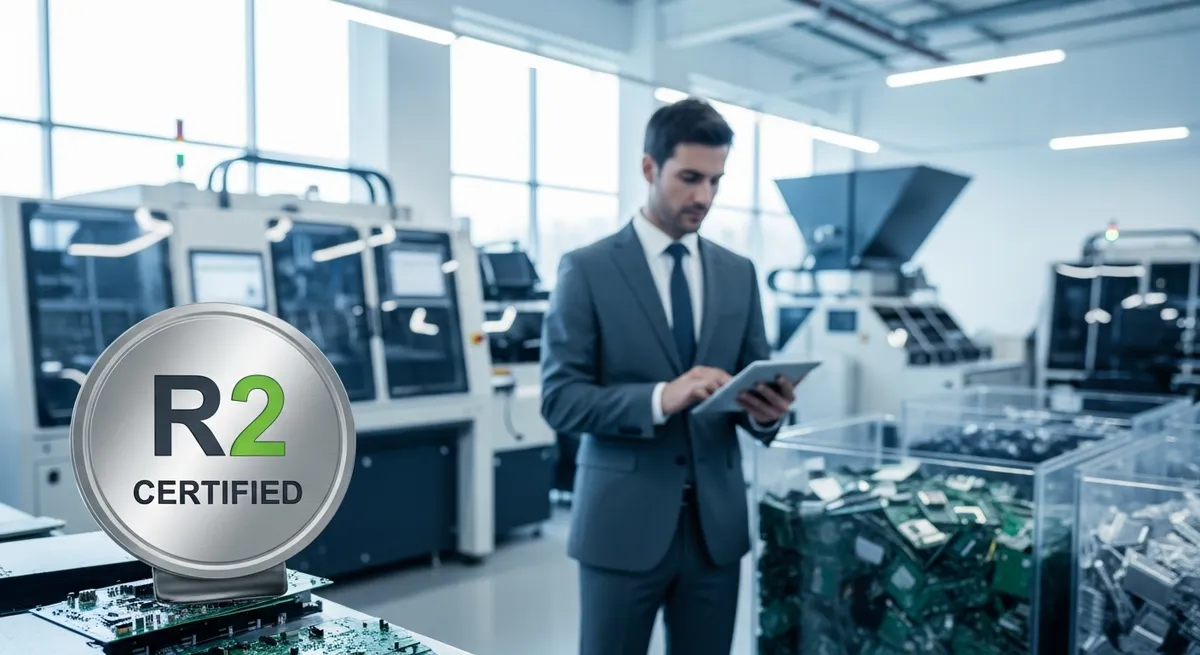
Upgrading your corporate IT infrastructure is exciting, but it leaves you with a pile of old hard drives containing sensitive company data. Houston businesses must decide how to securely dispose of these drives to prevent data breaches. The two primary methods for data destruction are hard drive shredding and data wiping. Understanding the difference is key to making the right choice for your office.
Why You Cannot Simply Throw Away Old Hard Drives
A hard drive that looks blank or has been "formatted" still contains recoverable data. Forensic tools widely available online can restore deleted files, partitions, and even overwritten sectors in many cases. For a Houston corporate office disposing of servers, laptops, or workstations, this creates immediate legal and reputational risk, especially when those drives held employee records, client contracts, financial data, or protected health information.
Texas law and federal regulations including HIPAA, GLBA, and the Texas Identity Theft Enforcement and Protection Act impose real penalties on businesses that allow sensitive data to escape through improperly disposed hardware. Our Texas e-waste compliance guide covers the full legal landscape for Houston businesses.
Option 1: Data Wiping
Data wiping uses specialized software to overwrite the existing data on a hard drive with random characters, making the original information unrecoverable. When performed to NIST 800-88 standards, this method is highly secure and independently verifiable.
Advantages of data wiping:
- The physical drive remains intact and can be refurbished and reused, extending its useful life
- Most environmentally responsible option - keeps hardware out of the waste stream
- Generates a verifiable audit trail showing exactly which sectors were overwritten
- Supports a circular economy by enabling resale or donation of wiped hardware
- Generally faster and lower cost than physical shredding at scale
Limitations of data wiping:
- Does not work on physically damaged drives that cannot spin up
- Less straightforward for SSDs - requires Secure Erase or Cryptographic Erase rather than overwrite passes (see our NIST 800-88 guide for SSD-specific methods)
- Some high-security environments require physical destruction as a policy, regardless of wipe results
Option 2: Hard Drive Shredding
Hard drive shredding is the physical destruction of the drive. Industrial shredders grind the storage media into tiny metal fragments, making it physically impossible to retrieve any data regardless of what forensic methods are applied. The result is a pile of mixed metal fragments suitable only for raw material recycling.
Advantages of shredding:
- Absolute certainty of destruction - no recovery is physically possible once shredded
- Required by some government, defense, and regulated industry security policies
- Works on any media regardless of condition, including damaged or unresponsive drives
- Fast at high volume - entire bins of drives can be processed without individual handling
Limitations of shredding:
- Hardware is permanently destroyed - no refurbishment or resale value
- Less sustainable than wiping, since all materials become scrap rather than reusable components
- Certificate of Destruction is still required to document each serial number destroyed
Side-by-Side Comparison
| Factor | Data Wiping | Physical Shredding |
|---|---|---|
| Security level | Very high (NIST 800-88 verified) | Absolute (no recovery possible) |
| Hardware fate | Reusable / resaleable | Scrap metal only |
| Environmental impact | Lower (extends hardware life) | Higher (all material becomes waste) |
| Works on damaged drives | No | Yes |
| Certificate of Destruction | Yes | Yes |
| Best for | Most corporate offices; sustainability-focused businesses | Government, defense, highest-security environments |
Which Method Is Right for Your Houston Business?
For most Houston corporate offices, secure data wiping is the ideal balance of security and sustainability. It meets all applicable data destruction standards, generates a verifiable audit trail, and allows the hardware to re-enter the market rather than becoming immediate waste. If your organization operates under a policy that explicitly mandates physical destruction - such as a government contract requirement or defense security clearance - then shredding is the appropriate choice.
In practice, many of our commercial clients use a combination: wiping for drives that are in good condition and can be reused, and shredding for drives that are physically damaged, encrypted without accessible keys, or flagged under a strict destruction-only policy.
Not sure which applies to your situation? Our FAQ page covers the most common questions Houston businesses have about data destruction, or you can contact us directly to discuss your specific requirements.
What We Do at Free E-Waste Pickup Houston
At Free E-Waste Pickup Houston, we prioritize secure, zero-landfill recycling for all commercial IT assets. Our R2 Certified facility applies NIST 800-88 data wiping for drives that can be reused, and physical destruction for those that cannot. Every pickup includes chain of custody documentation, and we issue a Certificate of Data Destruction on request.
Our commercial pickup service is completely free for businesses throughout Houston, Katy, Sugar Land, Cypress, The Woodlands, and the surrounding metro area. We handle the logistics so you do not have to. Check our full list of accepted items to confirm we handle your specific equipment.
Ready to Clear Out Your Old IT Equipment?
Free pickup, certified data destruction, and a Certificate of Destruction on request. No cost to your Houston business, ever.
Related Data Destruction Guides
Find our articles useful? Add Free E-Waste Pick Up Houston as a preferred source on Google.